7 mins read
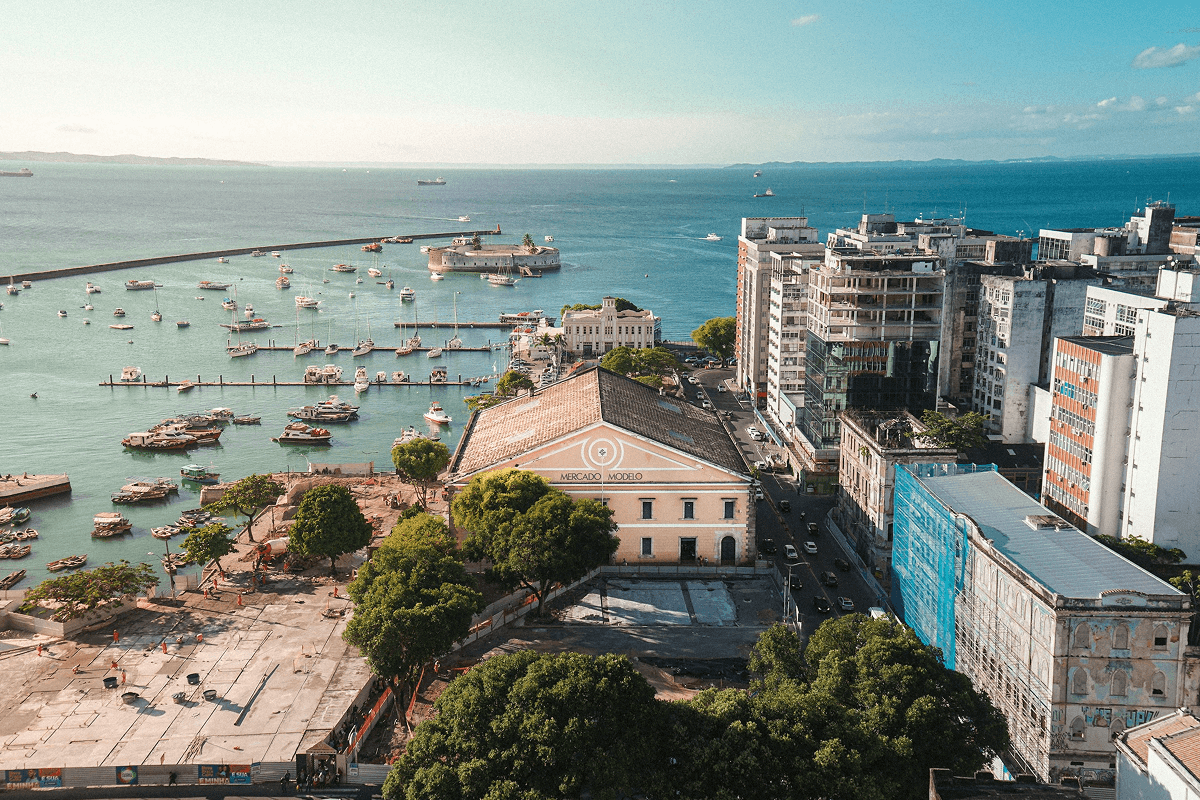
Brazil is a land of abundance. Vast farmlands, forests, minerals, and a leading biofuel industry, but it remains caught in a linear “take-make-waste” economy, heavily dependent on exporting raw materials.
In 2024 Brazil launched a National Circular Economy Strategy (ENEC) to change that model. The goal is to return waste and byproducts into the production system, reducing demand for virgin resources and building a stronger, more sustainable economy.
With only about 1.3% circularity (meaning 98.7% of materials are used once then discarded), Brazil has a long way to go, but the potential benefits are huge.
A circular economy breaks the “use-and-discard” logic by designing products and systems so materials last longer and are easily reused or recycled. It produces social and environmental gains – cutting emissions, protecting biodiversity, and creating green jobs – while also boosting business competitiveness through innovation.
Importantly for Brazil, circularity can lower economic risks by reducing dependence on volatile commodity markets and imported raw materials.
In short, embracing circular principles can strengthen local supply chains, cut imports, and build resilience against price swings and climate shocks.
Brazil’s Resource-Dependent Economy
Exports and Commodities
Commodity focus: Brazil is a global leader in exporting key raw goods. It is the world’s largest exporter of soybeans, sugar, beef, poultry, coffee, corn and many ores/metals.
Agribusiness share: In 2024 agribusiness (food, fiber, biofuels, etc.) accounted for about 49% of Brazil’s exports (up from ~34% a few years earlier).
Fuel exports: Petroleum and biofuel exports were roughly 13% of total exports by end-2024, up from ~12.5% in 2023. Crude oil ($44.8 B) alone became Brazil’s top export (13.3% of exports), overtaking soy.
Minerals and metals: Iron ore and other mining products made up roughly 9% of exports (e.g. iron ore ~9% in 2023).
Land Use and Emissions
Vegetation cover: About 64.5% of Brazil’s land remains under native vegetation (Amazon rainforest, Cerrado savanna, etc.) as of 2023 (down from 76% in 1985). Much of the cleared land has become pasture or cropland.
Deforestation: Land-use change (mainly Amazon and Cerrado clearing) is still Brazil’s dominant emissions source. In 2023 about 46% of Brazil’s greenhouse gases came from land-use changes (deforestation alone accounts for nearly half of emissions), while the energy sector contributed only ~18%.
Climate Vulnerability
Brazil’s southern states saw catastrophic floods in 2024. For example, April–May 2024 brought record rainfall to Rio Grande do Sul, the worst floods in decades, affecting ~2 million people (with ~200 fatalities and ~$15 billion in damage. At the same time, about 60% of Brazil experienced severe drought.
These extremes illustrate Brazil’s climate risk: with roughly 6–8% of GDP from agriculture (by some measures) and ~60% of electricity from hydroelectric power, droughts and floods can sharply cut food and energy output.Prolonged drought has also hit key agricultural regions. In 2023–24 northern and central Brazil suffered extended dry spells, seriously reducing river flows and crop yields. For example, drought in 2024 devastated Brazil’s coffee crop (the country’s largest), contributing to a ~100% jump in global coffee prices. Combined with Brazil’s heavy reliance on rainfall (and its large hydro sector), these trends underline how its commodity‑based model makes the economy increasingly fragile to climate shocks.

What Is a Circular Economy?
A circular economy turns this linear model on its head. It designs products for long life, repair, and recyclability. Raw materials and waste are reintroduced into the economy (think recycling, composting, or converting waste into energy/inputs).
Key characteristics include:
Product design: More durable, repairable and recyclable goods.
Waste as resource: Industrial and urban waste streams reused as inputs (e.g. organic waste to fertilizer, plastics to new products).
Renewable inputs: Non-renewable materials are replaced with renewable, recyclable alternatives.
Digital tracking: New tech traces materials and products through their life cycles.
Sharing economy: Emphasis on renting, sharing or leasing products (e.g. ride-sharing, tool libraries) instead of one-off ownership.
In practice, this could mean everything from composting food scraps and recycling plastics, to remanufacturing auto parts or using organic waste to generate biogas. The global idea is simple: keep materials “in play” longer, minimise extraction, and cut pollution.
Why Brazil Needs Circularity
For Brazil, a circular economy is a strategic necessity to reduce dependence on raw materials and build economic resilience. Experts note that circular models can lower operating costs and buffer against supply shocks. By relying less on importing scarce resources and adding value locally to Brazil’s natural wealth, circular practices make the economy stronger and more stable. They also deliver major environmental co-benefits in a country with global climate and biodiversity significance:
Reduce greenhouse gas emissions: More efficient use of resources means cutting energy use and emissions in production.
Protect biodiversity: Less waste and fewer raw inputs help conserve forests and ecosystems. (Brazil’s official strategy highlights biodiversity protection as a goal.)
Boost green jobs: New circular businesses (repair shops, recycling centers, remanufacturing) can create “green” skilled jobs.
Innovation and competitiveness: Circular design and technologies can spur new industries, making Brazilian products more attractive globally.
Supply security: Local recycling and material reuse mean less exposure to international price spikes or shortages of critical materials.
In sum, by closing loops, Brazil can strengthen local supply chains and cut its reliance on imported processing of raw goods, making the economy more resilient to external shocks.
Circular Economy in Action: Examples and Sectors
Many sectors in Brazil already show how circular principles can work:
Biofuels & Biorefineries: Brazil’s famed sugarcane ethanol program is an early circular success. It not only fuels cars but also uses byproducts for energy. For instance, bagasse (sugarcane fibre) powers mills or produces cellulosic ethanol, a second-generation biofuel with ~90% lower carbon footprint than gasoline. Waste vinasse from ethanol is recycled as fertilizer or biogas. In future, Brazil aims to produce sustainable aviation fuel (SAF) from waste feedstocks (forest residues, agricultural leftovers), potentially generating billions of litres of SAF by 2030.
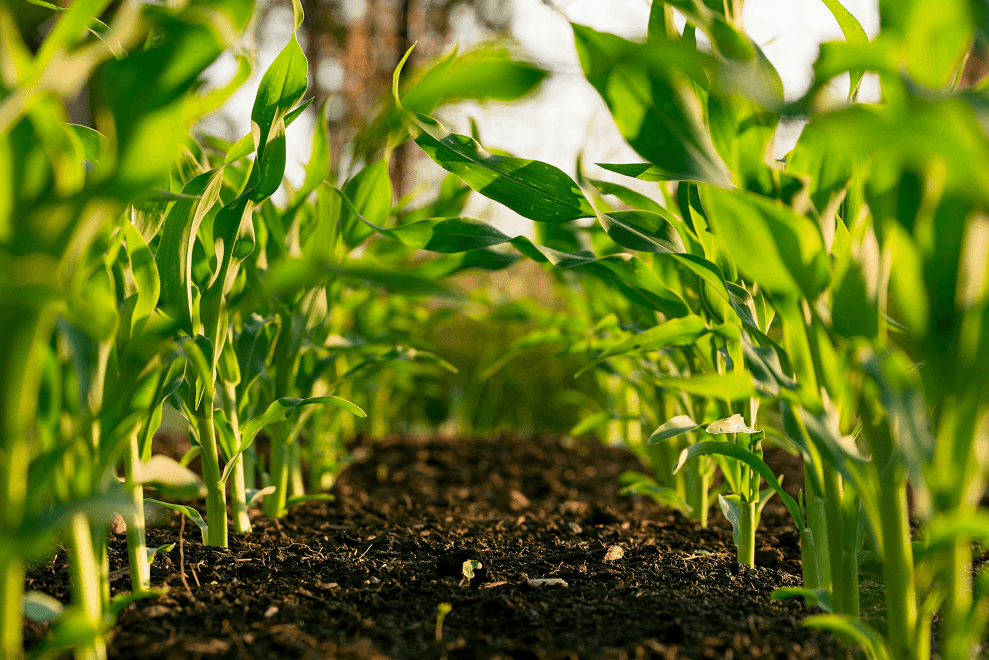
Agricultural and Forest Materials: Circular farming practices like regenerative agriculture, crop rotation and agroforestry keep nutrients cycling instead of depleting soils. Brazilian companies are starting to turn agricultural residues into value (e.g. citrus pulp feeding livestock, forestry waste into building materials). Initiatives aim to use organic waste (manure, crop waste, etc.) for compost and biogas, improving soil health and energy supply simultaneously.
Manufacturing & Industry: Some Brazilian industries are redesigning processes to use recycled or renewable materials. For example, the paper industry recycles tons of fibre, and car manufacturers are exploring circular supply chains (remanufactured parts, recycled metals). The National Circular Economy Plan encourages sustainable design standards and supports digital tracking of materials.
Waste & Recycling: Brazil’s waste infrastructure is improving. In 2024, 410,000 tons of post-consumer PET bottles were recycled (a 14% increase since 2022), showing rapid growth in plastic recycling. Collection networks are expanding (though still limited) and composting programs are emerging in cities. The government’s plan aims to greatly expand recycling and composting of urban and industrial waste.
Consumer Goods & Plastic Reduction: Companies are shifting to eco-design. For example, retailers are piloting refillable packaging, and Brazil is phasing in incentives (and in some cases taxes) to reduce single-use plastics. Efforts like “Green Seals” and labelling help consumers choose durable or recycled products. The plan includes incentives for markets in recycled materials.
Taken together, these practices show how closing loops can use Brazil’s rich biomass and industrial output more efficiently, turning waste streams into new inputs.
Government Strategy and Incentives
Brazil’s federal government has made circular economy a high priority. As already mentioned, in mid-2024 it signed an executive order launching the National Circular Economy Strategy (ENEC) and a coordinating forum. ENEC is part of the broader “New Brazil – Ecological Transformation Plan”, tying together innovation, social inclusion and environmental conservation. Its main actions include:
Product and production design: Standards and incentives for making goods longer-lasting, repairable and easier to recycle.
Waste management: Expanding recycling, composting and industrial symbiosis (where one firm’s waste becomes another’s input).
Conscious consumption: Public campaigns on sustainable consumption, plus promotion of sharing/rental business models.
Digital and tech: Supporting R&D on efficient material use and digital tools to trace product life cycles.
Economic incentives: Tax breaks, funding lines and market development for recycled materials and circular products. For instance, a Climate Fund now finances projects that use waste for energy or fertilizer.
Education and training: Integrating circular economy into school and university curricula, and training workers for green jobs
Regulation and governance: Creating policies like mandatory reverse logistics (producer responsibility for waste) and recycling targets, plus law proposals (e.g. Bill 1874/2022) to give ENEC teeth.
These actions aim to “reduce dependence on natural resources” and make the economy more circular. Subnational governments are also engaged: state programs in São Paulo, Rio Grande do Sul and others are investing in green infrastructure, while cities pilot urban composting and repair hubs.
Challenges and the Road Ahead
Transitioning to circularity won’t happen overnight. Brazil faces hurdles like limited waste collection (just 7.2% recycling rate countrywide in 2023, fragmented regulations, and the need for huge upfront investment in new infrastructure. Industries and consumers will need incentives and education to change habits. There’s also a need to ensure circular policies address social equity, for example, by formalising waste pickers’ work (an ENEC goal).
However, the gains could be transformative. By recovering value from waste, optimising resource use, and closing material loops, Brazil can decouple growth from environmental harm. Analysts emphasise that circular strategies make supply chains “efficient and resilient,” and help reconcile climate action with social needs.
In fact, coordinated circular action is already recognised as key to achieving Brazil’s climate targets and sustainable development goals.
Conclusion
Brazil’s rich resources and biodiversity give it a great starting point, but relying on endless extraction is no longer sustainable or safe in a changing world.
A circular economy offers a pathway to transform waste into opportunity. By reusing materials and reducing resource inputs, Brazil can move from vulnerability to resilience.
It can reap cleaner industries, stronger local economies and healthier ecosystems. The shift won’t be easy, but Brazil’s new policies and growing initiatives show that circularity is becoming central to the country’s future prosperity and climate strategy.
As Brazil rewrites its economic playbook, the principles of circularity may prove the key to long-term stability and sustainable growth.
Frequently Asked Questions
What is the circular economy?
It’s an economic model where products and materials are kept in use for as long as possible. Goods are designed to last longer and be recycled or remanufactured at end-of-life. Waste is minimized as materials loop back into new products (as opposed to ending up in landfills). This contrasts with the traditional “take-make-dispose” system.How would a more circular economy help Brazil’s economy?
Circular practices reduce the need for constant extraction of new resources, which means Brazil would depend less on imports and volatile global commodity prices. Recycling and reuse can supply industries with local materials instead of imported ones. This strengthens supply chains and economic resilience, lowering the risk of raw material shortages or price shocks. It also creates new business opportunities in recycling, remanufacturing, and waste-based energy.Will circular economy create jobs?
Yes, it is expected to create “green jobs”. Repair services, recycling operations, waste collection and sorting, eco-design engineering, and renewable energy from waste are all labour-intensive activities. Brazil’s ENEC explicitly aims to create skilled jobs in these areas. Globally, circular industry is seen as a multi-trillion-dollar opportunity with millions of jobs, many in small and medium enterprises.How does this relate to climate change?
Circularity is aligned with Brazil’s climate goals. By using materials more efficiently and reducing waste, Brazil can cut greenhouse gas emissions in energy, industry and agriculture. For example, composting organic waste and using crop residues for energy or biofuel cuts emissions and improves soil carbon. Circular strategies can also help Brazil adapt by making water and food systems more sustainable (e.g. efficient irrigation, local food cycles).What is the government doing right now?
The federal government has set up the National Circular Economy Strategy, with goals and actions across sectors. New policies include tax incentives for circular businesses, funding for waste-to-energy projects, and proposals to improve recycling laws. There are also public–private initiatives, like partnerships to recycle e-waste and programs to promote sustainable agriculture. While the framework is new, momentum is growing in both government and industry towards circularity.
More Circular Economy