6 mins read

Biochar in Australia: Carbon Removal, Soil Health, and Market Opportunity
Biochar Enters the Carbon Economy
The demand for durable, verifiable carbon removal is accelerating, and biochar is emerging as one of Australia’s most promising and scalable solutions. Positioned at the intersection of agriculture, waste management, and climate tech, biochar extends beyond carbon sequestration, with tangible benefits for soil health, biomass valorisation, and regional economic development.
With regulatory momentum building and early project activity underway, biochar is moving into commercial deployment. For businesses exploring high-integrity carbon removal, it represents a pathway that is gaining traction, though robust measurement, reporting, and verification (MRV) frameworks will be essential for the sector to scale with credibility
What Is Biochar and Why It Matters
Biochar is a carbon-rich material produced by heating organic matter (e.g. wood chips, crop waste, invasive plants) in a low-oxygen environment, a process called pyrolysis. Unlike burning or decomposition, which releases CO₂, pyrolysis converts biomass into a stable form of carbon that can persist in soils for extended periods. Puro.earth's updated Biochar Methodology (Edition 2025) has transitioned to a CORC200+ durability classification, guaranteeing biochar carbon removal for several centuries, a meaningful step up from the earlier conservative 100-year framing, reflecting advances in persistence science.
Beyond carbon storage, biochar has well-documented co-benefits:
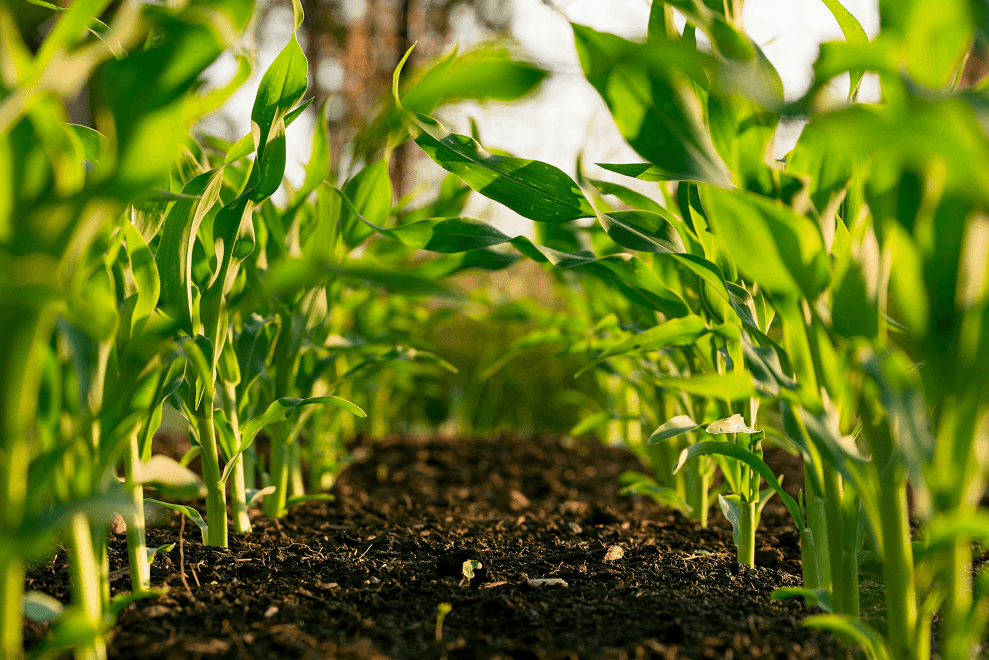
Soil health: A meta-analysis by Jeffery et al. (2011), published in Agriculture, Ecosystems & Environment, found an overall statistically significant yield benefit with a grand mean increase of around 10%, though individual results ranged from −28% to +39% depending on soil type, feedstock, and application conditions.
GHG reduction from soils: A meta-analysis synthesising 3,899 observations (ACS, 2023) found that biochar boosts microbial abundance and nutrient-cycling functions while reducing cumulative nitrous oxide emissions by 12.7%.
Waste valorisation: Turns agricultural residues, forestry by-products, and invasive plants into carbon assets, displacing waste streams that would otherwise decompose or be burned.
Industrial applications: Biochar can be used as a low-cost sorbent for wastewater treatment, removing dyes, antibiotics, heavy metals, and nutrients from effluent. It shows significant potential for contaminated soil and water remediation owing to its favourable physicochemical surface properties. The pyrolysis process itself also generates bioenergy as a co-product, substituting for fossil fuels with lower net CO₂ emissions.
Note: While meta-analyses show positive average effects, individual field outcomes depend heavily on site-specific conditions. Long-term field validation under diverse Australian conditions remains an active area of research.
Why Australia Is Uniquely Suited for Biochar
Several structural factors position Australia as a natural home for large-scale biochar production:
Australia generates substantial volumes of agricultural and forestry waste annually, providing abundant low-cost feedstock.
Significant invasive species challenges - particularly in northern Australia - create a dual incentive: carbon removal and land restoration.
Government commitment to net zero by 2050, with growing recognition of engineered carbon dioxide removal (CDR) as a complement to biological sequestration.
A mature land-sector carbon crediting history, providing regulatory and market infrastructure that biochar can build upon.
The Australian Climate Change and Energy Department projects that data centres will account for approximately 6% of total demand on Australia's east coast electricity grid by 2030, and 11% by 2040, creating a motivated and well-capitalised domestic buyer base for high-integrity CDR credits.
Case Study: The Great Barrier Reef Biochar Project (NoviqTech / Coralia)
A significant Australian biochar initiatives currently in development is the Great Barrier Reef Biochar Project in North Queensland, driven by Coralia, a NoviqTech's (ASX: NVQ) subsidiary. The project targets invasive woody species, particularly prickly acacia, that degrade grazing capacity and contribute to sediment runoff affecting the Great Barrier Reef.
Rather than burning these species, which releases stored CO₂, or leaving them to decompose, the project converts the biomass into biochar.
As announced by NoviqTech in January 2026, Coralia has:
Secured 2 million tonnes of biomass under binding contracts across four properties strategically located on the Flinders and Bruce Highways in North Queensland, optimising logistics.
Announced plans to produce approximately 250,000 tonnes of biochar from this biomass, with an estimated lifetime sequestration of around 550,000 tonnes of CO₂.
Applied the Puro.earth Biochar Standard as its intended certification framework.
Identified secondary revenue streams from biochar sales into construction materials such as cement and insulation for data centre developments.
In March 2026, Coralia appointed TFA Project Group to provide pre-feasibility engineering and project management support.
In April 2026, Coralia signed a Strategic Memorandum of Understanding with A Healthier Earth, the climate-tech R&D subsidiary of Pure Data Centres Group – a global data centre developer and operator with over 1GW of capacity live or in development. Under the MOU, the parties will assess the commercial viability of A Healthier Earth securing a long-term offtake for a minimum of 70% of the total Biochar Carbon Removal Credits produced by the project. The MOU also contemplates a potential joint venture for the construction of a biochar production facility on site. Pure DC has committed £24 million to develop the UK's largest biochar facility in Wiltshire, England. On-site production trials are scheduled for May and June 2026, with feasibility assessment to follow.
Important context: Carbon removal credits are contingent on successful certification, operational performance, and offtake agreement execution. Investors and buyers should conduct their own due diligence on project milestones and timelines.

Policy and Regulatory Landscape: The Path Toward ACCU Accreditation
Currently, Australian Carbon Credit Units (ACCUs) are predominantly awarded for biological sequestration methods such as reforestation and avoided land clearing. Engineered carbon removal approaches like biochar are not yet covered by a dedicated ACCU methodology, but regulatory developments are progressing.
ANZBIG facilitated and supported an Expression of Interest (EOI) proposing that a biochar method be included in the ACCU scheme, with over 40 EOIs being assessed by the Emissions Reduction Assurance Committee (ERAC).
In parallel, Standards Australia has been consulting on a new national Biochar Code of Practice, a foundational step toward harmonised quality benchmarks that will underpin any future ACCU methodology.
The Clean Energy Regulator and government reviewers have confirmed technical feasibility in principle, while emphasising that robust MRV protocols are a prerequisite for credit issuance.
ANZBIG's 2030 Biochar Industry Roadmap sets a target of a $1 billion industry producing 15 Mt CO₂-e sequestration and supporting thousands of regional jobs by 2030, contingent on a credible ACCU methodology being in place.
The timeline for a formal biochar ACCU methodology remains uncertain. Projects seeking near-term credit revenue are currently pursuing international voluntary market standards such as Puro.earth.
Commercial Pathways and Market Opportunity
Carbon Credit Generation
Biochar's primary commercial proposition in carbon markets is its classification as a durable, engineered removal credit – increasingly preferred by sophisticated corporate buyers seeking permanence over biological sequestration, which carries reversal risk. Puro.earth's 2025 methodology update transitioned biochar to a CORC200+ durability classification, guaranteeing removal for several centuries, a significant step up from the prior CORC100+ standard.
Australian businesses can engage with the biochar carbon market in two principal ways:
As credit buyers: Companies with net-zero commitments can purchase verified biochar CDR credits from certified projects to address residual emissions.
As co-investors or co-developers: Technology companies, agribusinesses, and infrastructure operators can partner with or invest in biochar projects, accessing credits at preferential rates while contributing to project development capital.
Emerging Business Models
Biochar is enabling new commercial configurations across multiple sectors:
Farming cooperatives operating regional biochar processing facilities, converting biomass waste into soil amendments while generating credits.
Waste management companies repurposing organic waste streams into biochar.
Coralia is specifically positioning itself as an institutional-grade biochar CDR supplier targeting the net-zero needs of hyperscalers and major tech companies – explicitly built for the data centre era.
Mobile pyrolysis unit operators enabling decentralised production in remote and regional areas, reducing feedstock transport costs.
Integration With Corporate Net-Zero Strategy
Under Australia's Safeguard Mechanism, which caps emissions for major industrial facilities, carbon removal credits can play a compliance role as the mechanism tightens. As biochar methodologies enter the ACCU scheme, large emitters may be able to sponsor or develop projects to meet their obligations, providing a forward-looking hedge against tightening carbon budgets.
Biochar projects also align well with ESG reporting imperatives, offering co-benefits that resonate with stakeholders: circularity, land stewardship, biodiversity support, and – where structurally appropriate – Indigenous land management partnerships.
Social Licence and Environmental Integrity
Relative to more technically complex CDR approaches, biochar carries fewer public acceptability risks. Projects that succeed over the long term will tend to be those that engage local communities and Traditional Owners early, respect Indigenous land rights, and deliver visible co-benefits such as improved grazing land, reduced wildfire fuel loads, or healthier reef catchments.
Biochar's Strategic Position in Australia's Net Zero Transition
Biochar sits at a compelling intersection of climate mitigation, agricultural benefit, and commercial viability. Its ability to transform low-value or problematic biomass into a stable carbon product – with documented co-benefits for soil health and land condition – makes it an attractive proposition for landowners, offset buyers, project developers, and clean technology investors alike.
The sector is not without challenges: ACCU accreditation is still in progress, MRV frameworks are maturing, and individual projects face execution risks common to early-stage industrial ventures. But the structural conditions are aligning in ways that suggest the next two to three years will be pivotal for the Australian biochar market.
For organisations serious about building durable, high-integrity carbon portfolios, or those looking to participate in Australia's emerging CDR supply chain, biochar warrants close attention and early engagement.
A Note on MRV and Biochar Project Development
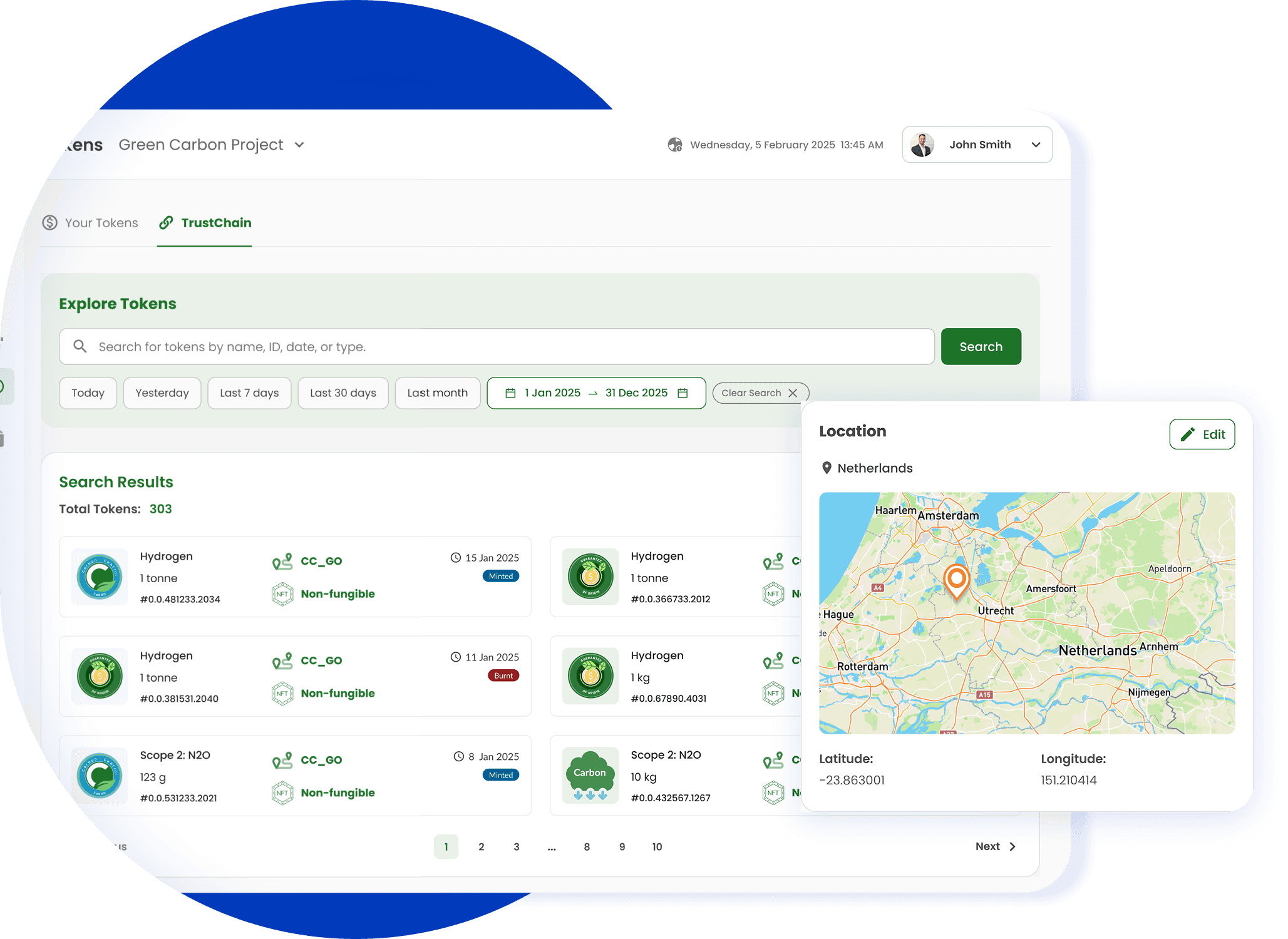
As biochar moves toward ACCU accreditation, the ability to measure, report, and verify carbon removal with precision becomes commercially and regulatorily critical. Project developers, investors, and operators need structured data pipelines, consistent methodologies, and audit-ready records to support credit issuance and long-term carbon claims.
If your organisation is assessing biochar as part of its carbon strategy, the next step is understanding how to capture and manage the data required for credit generation, compliance, and long-term claims.
You can get in touch to explore how to structure biochar project data, reporting workflows, and verification processes in line with Australian carbon frameworks.
More Circular Economy