7 mins read

SBTi Target Validation in 2026: What Emissions Data Companies Need Before They Submit
In early 2026 the Science Based Targets initiative (SBTi) reached a major milestone. More than 10,000 companies worldwide now have validated science based emissions reduction targets, compared with around 1,000 companies in 2021.
The Science Based Targets initiative (SBTi) is a global partnership between CDP, the United Nations Global Compact (UNGC), the World Resources Institute (WRI), and the World Wide Fund for Nature (WWF). The initiative develops standards and guidance that help companies set greenhouse gas (GHG) reduction targets aligned with climate science and the goals of the Paris Agreement.
Adoption has expanded rapidly across industries and regions. According to SBTi data, companies with validated science based targets represent a significant share of global market capitalisation (about 40%), showing that climate aligned targets are increasingly expected by investors, regulators, and customers.
What Are Science Based Targets
Science based targets are corporate GHG reduction targets that are consistent with the level of emissions reduction required to limit global warming to 1.5°C.
The SBTi develops standards, tools and guidance for companies and financial institutions setting emissions reduction targets. SBTi Services, a subsidiary of SBTi, checks and validates targets submitted by companies, financial institutions and small and medium enterprises.
To prepare a target, companies need to calculate emissions using recognised greenhouse gas accounting methods. The GHG Protocol Corporate Standard is widely used for corporate emissions inventories and separates emissions into Scope 1, Scope 2 and Scope 3 categories.

The Three Emissions Scopes
Scope | Description | Example Sources |
Scope 1 | Direct emissions from company operations | Fuel used in company vehicles, industrial processes |
Scope 2 | Indirect emissions from purchased energy | Electricity used in offices, factories or data centres |
Scope 3 | Indirect emissions across the value chain | Purchased goods, logistics, business travel, supplier activity |
Scope 3 emissions often represent the largest share of a company’s footprint, particularly in sectors such as manufacturing, retail, aviation, and technology supply chains.
What Companies Commit To
When companies submit targets to SBTi they commit to:
Reducing operational emissions according to a science aligned pathway.
Setting a near term emissions reduction target.
Measuring and reporting emissions consistently.
Tracking progress over time.
Many organisations also commit to long term net zero targets, which involve deep emissions reductions across all scopes before relying on limited carbon removals.

Target Types and Methods
SBTi-recognised targets fall into two main types: near-term targets (5–10 year emissions cuts) and net-zero targets (90–100% cuts by 2050).
Near-term targets typically cover absolute reductions in Scope 1 and 2 emissions (with scope 3 requirements if applicable), aligned to a 1.5°C pathway. Long-term or net-zero targets go further: a company must cut ~90% of all scopes 1–3 emissions by 2050 (2040 for power) and neutralise the rest.
The table below compares these target types, including the timelines and criteria for approval:
Target Type | Timeframe / Scope | Key Criteria (SBTi Standard) |
Commitment (no target yet) | Public pledge to set targets; submit within 24 months. | Commitment is listed on Dashboard; must later meet same criteria. |
Near-Term Target | 5–10 year horizon (e.g. “X% by 2030”). | Covers Scope 1–2 (plus scope 3 if >40% of emissions); aligned with the emissions reduction pathways required to limit warming to 1.5°C. |
Long Term Net-Zero Target | 2050 (2040 for power) with interim commitments. | Covers all scopes; requires ~90–95% cuts by 2050 plus neutralisation. Follows SBTi Corporate Net-Zero Standard. |
Table: Comparison of common SBTi target types, their timelines and key criteria.
Companies use different methodologies to calculate emissions reduction pathways. The most common method is the Absolute Contraction Approach (ACA).
ACA applies a fixed reduction pathway aligned with global climate scenarios. Each company reduces emissions at the same overall rate required to keep warming within a 1.5°C pathway.
Historically, ACA has been the most widely used method for corporate targets.
For emissions intensive sectors, the Sectoral Decarbonisation Approach (SDA) is available. This method allows companies to use emissions intensity metrics, such as emissions per unit of output, aligned with sector specific decarbonisation pathways.
Examples include:
• Aviation.
• Cement production.
• Electricity generation.
Sector pathways reflect that some industries must decarbonise faster or face different technological constraints.
How the SBTi Target Validation Process Works
The SBTi target validation process follows a structured sequence.
1. Register on the SBTi Services Validation Portal
Companies create an account in the SBTi Services Validation Portal and confirm their organisation type.
This step starts the validation process and determines which criteria and submission route apply.
2. Make a commitment or prepare a direct submission
Companies can make a public commitment before submitting targets. A commitment gives the company 24 months to submit targets for validation.
Companies can also move directly to target submission if they already have the required emissions data, target boundary and documentation ready.
3. Develop the target
The company calculates its baseline emissions, defines its target boundary and selects the relevant target method.
This step depends on the quality of the emissions inventory. Sustainability teams need consistent data across facilities, energy use, suppliers and operational activity.
4. Submit for validation
Companies submit target data and supporting documentation through the portal.
SBTi states that once targets are submitted, the assessment is usually completed within 12 weeks. Companies may need to respond to questions during the review.
5. Announce the validated target
If the target is validated, the company has 6 months to announce it publicly. The target can then appear on the SBTi Target Dashboard.
6. Track and report progress
After validation, companies need to track emissions performance and report progress over time.
This requires repeatable data collection, consistent calculation methods and records that can be reviewed internally or by external assurance providers.
What emissions data should be ready before submitting an SBTi target?
Before submitting a target for validation, companies need a data structure that can support the target, explain the calculation logic, and remain usable after validation.
Key data points include:
Data area | What companies need | Why it matters |
|---|---|---|
Organisational boundary | Clear list of entities, facilities, operations and reporting boundaries | Defines which emissions are included |
Base year emissions | Scope 1, Scope 2 and relevant Scope 3 baseline data | Sets the reference point for reduction targets |
Activity data | Fuel use, electricity use, production data, transport activity, supplier data | Provides the input for emissions calculations |
Emissions factors | Documented factors used for each emissions source | Supports consistency and reviewability |
Scope 3 screening | Category level assessment of value chain emissions | Identifies whether Scope 3 target requirements apply |
Calculation records | Methodologies, assumptions and formulas | Helps teams explain how emissions values were derived |
Progress tracking | Year on year emissions data linked to the target pathway | Supports annual reporting after validation |
This preparation can be complex for companies with multiple facilities, several operating entities or large supplier networks.
The same data may come from invoices, ERP exports, fuel records, electricity bills, supplier files and manual spreadsheets. Sustainability teams need to consolidate that information without losing the calculation trail.
How Carbon Central Supports SBTi Data Management
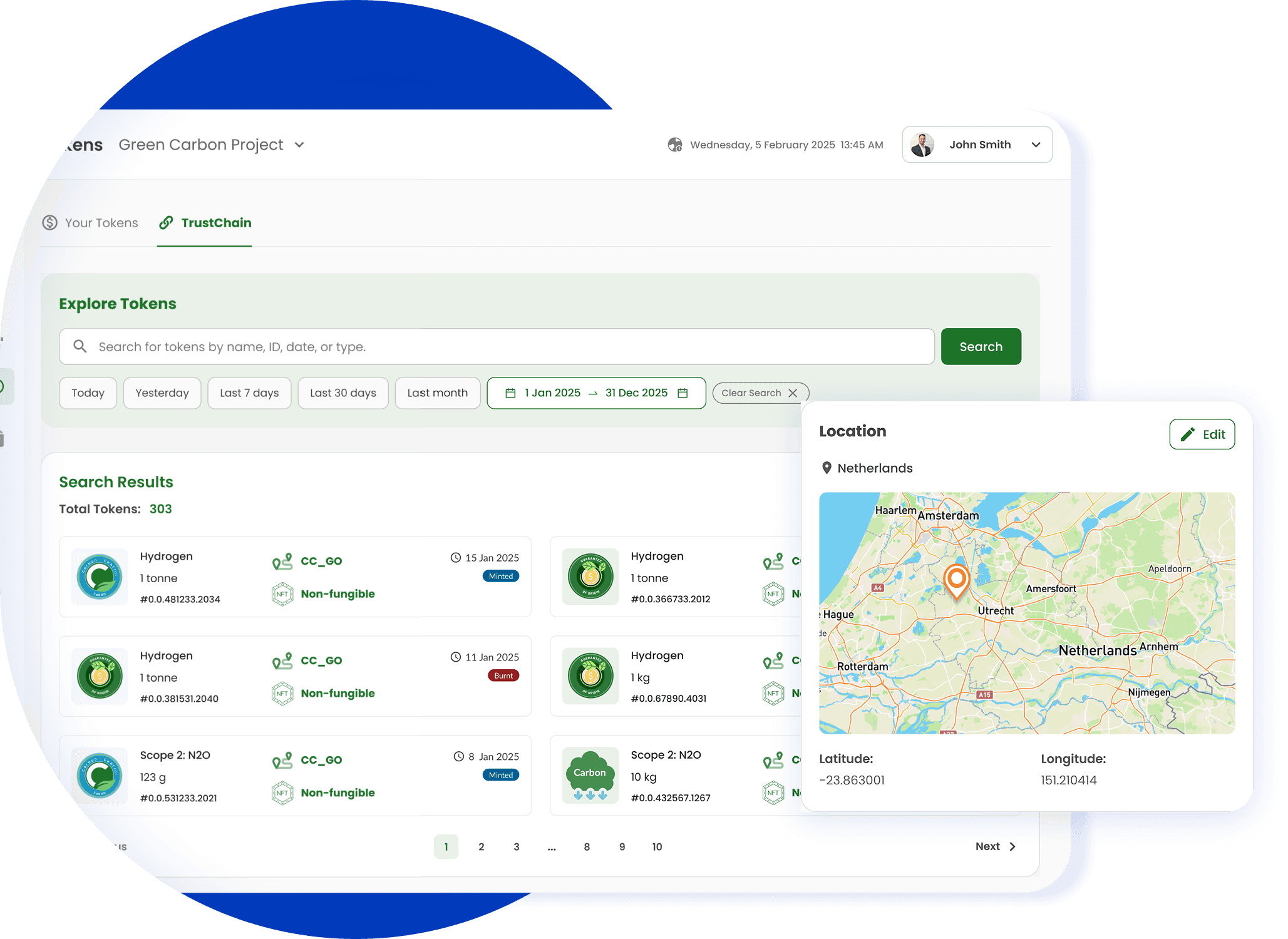
Carbon Central supports the emissions data work that sits behind science based targets. The platform helps teams organise activity data, emissions calculations, operational records and reporting evidence in one structured environment.
For companies preparing or managing SBTi aligned targets, Carbon Central can support:
Baseline emissions calculations across Scope 1, Scope 2 and relevant Scope 3 sources.
Consistent use of emissions factors and methodologies.
Facility level tracking of fuel use, electricity consumption and production activity.
Progress monitoring against reduction pathways.
Linked records that show how emissions values were calculated.
Reporting preparation for internal reviews, annual disclosures and verification processes.
Carbon Central does not validate SBTi targets. SBTi validation is carried out by SBTi Services. The platform supports the data management, traceability and reporting workflows that companies need before and after target submission.
Example: Multi facility manufacturer preparing an SBTi baseline
A manufacturer with facilities in Australia, Singapore and Germany needs to establish a base year emissions inventory before setting a near term target.
The sustainability team needs to collect:
• diesel and gas use from each facility
• purchased electricity data by site
• renewable electricity certificates, if used
• production volumes for intensity analysis
• supplier data for relevant Scope 3 categories
• emissions factors used for each source
• calculation assumptions and version history
If this data sits across spreadsheets, invoices, ERP exports and email attachments, the team may still be able to calculate a footprint.
The harder task is repeating the process each year with the same methods, clear records and defensible calculations.
A structured sustainability data system gives the team a clearer way to manage this work. It keeps activity data, emissions factors, calculations and supporting records connected, so teams can track progress without rebuilding the evidence base each reporting period.
Conclusion
Science based targets give companies a clear framework for setting emissions reduction targets that are consistent with climate science.
The practical work depends on data quality. Sustainability teams need to connect targets to measurable progress across facilities, energy use, supplier activity and operational data. That requires consistent emissions data, clear calculation methods and records that show how each figure was produced.
For organisations preparing SBTi targets or managing emissions reporting across multiple sites, structured sustainability data systems can make this process easier to manage and easier to review.
Carbon Central supports this work by helping teams organise emissions data, track progress and maintain the records needed for sustainability reporting and science based target management.
Contact our team to learn how Carbon Central can support your emissions tracking and science based target management
More Circular Economy