5 mins read
Malaysia’s Climate Policies Implications for the Green Fuels Sector
As Malaysia doubles down on its climate commitments, notably pledging steep emissions cuts by 2030 and net-zero by 2050, new laws and policies are reshaping key industries.
The recent National Energy Transition Roadmap (2023) includes an SAF blending mandate (1% set to start in 2027, rising to 47% by 2050).
These targets, and Malaysia’s 2025 Budget measures, are already translating into concrete sectoral shifts. Major moves in green fuels and waste management are underway.
Green Fuels and Sustainable Aviation Fuel (SAF)
Green fuels refer to low-carbon alternatives to fossil fuels, such as biofuels (made from biomass or waste), hydrogen, or other renewable-based fuels.
Sustainable Aviation Fuel (SAF) is a type of green fuel for aircraft, commonly produced from feedstocks such as used cooking oil, agricultural residues, and other waste derived oils and fats.
Malaysia sees commercial opportunity in converting palm related residues and other waste streams into higher value fuels, including SAF. Budget 2025 also highlighted federal support for this direction, including a stated collaboration between Petronas and leading palm oil companies to develop SAF from palm oil waste.
Government Support and Mandates
Budget 2025 reporting pointed to policy measures designed to support domestic value added production, including adjustments that aim to strengthen domestic supply for downstream products such as biodiesel and SAF.
The NETR’s SAF blending pathway gives market participants something concrete to plan for, even while implementation details evolve.
Aviation Industry Impact
For airlines and airports, the operational challenge is cost and supply chain readiness: SAF typically carries a price premium, and scaling requires reliable feedstock aggregation, processing capacity, fuel certification, and delivery logistics.
Malaysia Aviation Group has publicly announced a partnership with FatHopes Energy focused on SAF innovation, including the used cooking oil supply chain. The intent signals early ecosystem building around SAF production and deployment models in Malaysia.
Adopting SAF also supports airline planning against international frameworks such as CORSIA, where emissions reductions and eligible measures are part of the broader decarbonisation toolkit for international aviation.
Oil & Refining Sector Impact
For refiners and fuel producers, SAF and renewable diesel type fuels create new product lines and investment pathways. Budget 2025 reporting also linked fiscal measures to encouraging domestic downstream production of higher value products such as biodiesel and SAF, which can shift incentives across the palm and refining value chain.
Trucking and Marine Fuels
Malaysia enforces a nationwide B10 biodiesel mandate, with B20 already used in certain regions and pilots, while broader scale increases have faced cost and infrastructure constraints. For fleet operators, that means biofuel blending can be policy driven, but rollout speed depends on practical delivery capacity.
In marine transport, international shipping decarbonisation is accelerating through IMO targets and carbon intensity related measures, which increases attention on alternative fuels and fuel emissions performance over time.
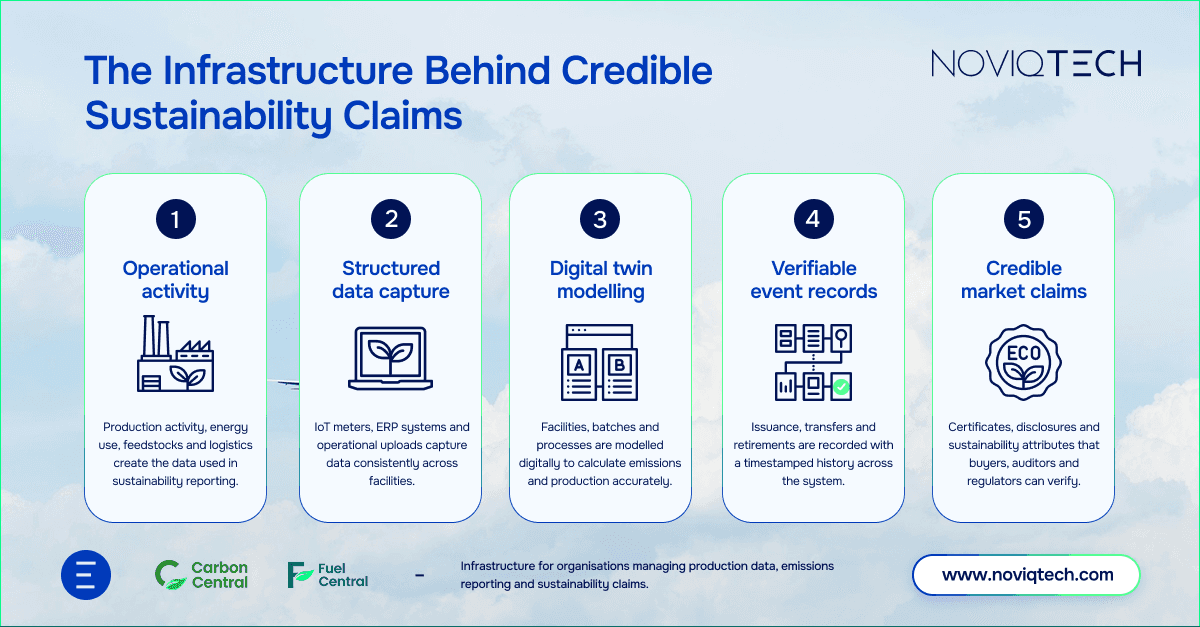
Figure 1: The Infrastructure Behind Credible Sustainability Claims
Why traceability becomes non negotiable
As SAF and other green fuels scale, sustainability claims depend on evidence. If SAF is produced from waste derived feedstocks, buyers and regulators expect documentation proving origin, chain of custody, and eligibility under the relevant sustainability rules.
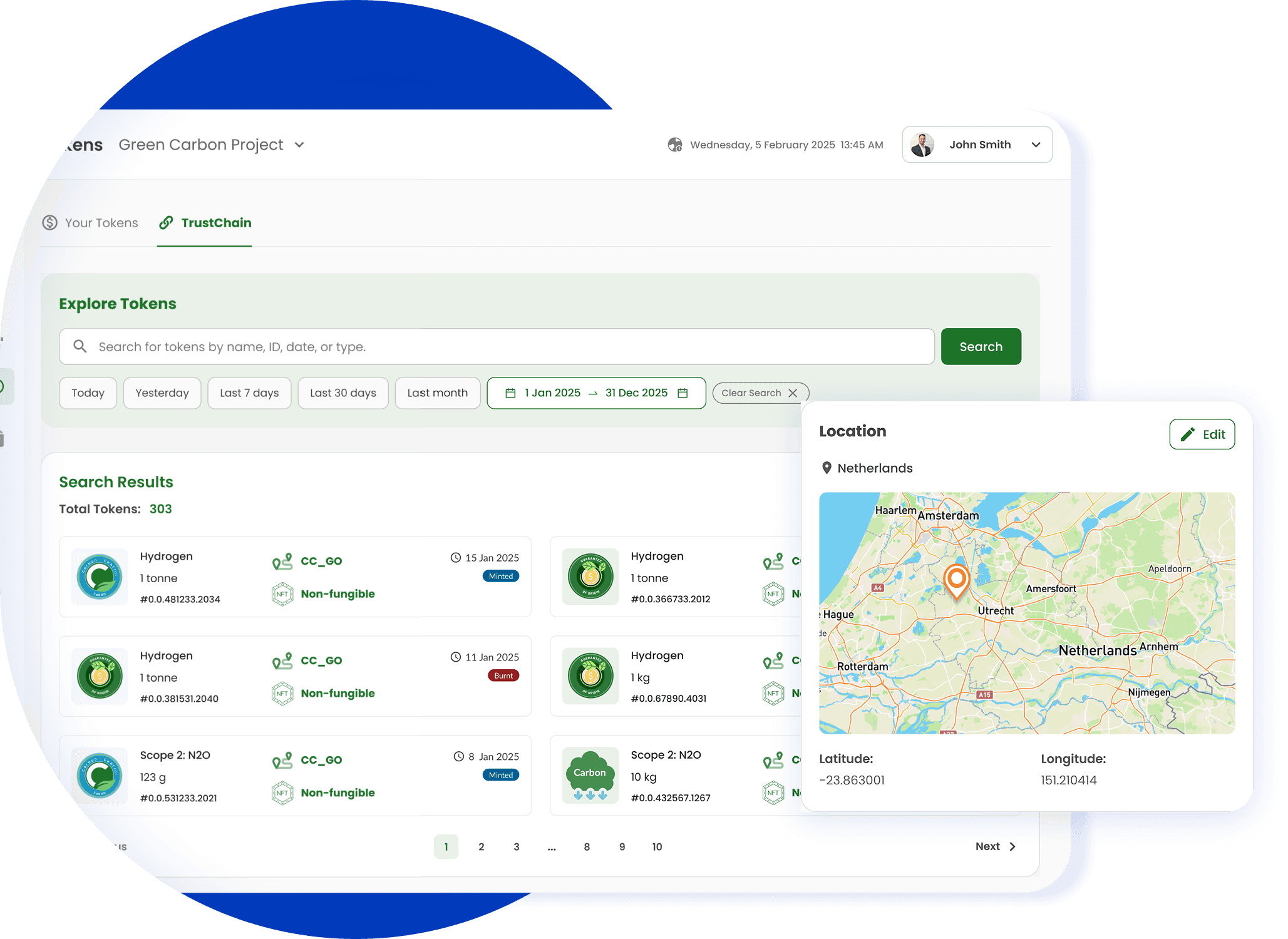
That is where digital traceability platforms such as Fuel Central fit in. The core requirement is an auditable record from feedstock collection through processing and distribution, so the environmental attributes can be verified, not asserted.

Adapting to New Climate Laws: Challenges and Responses
Capability gaps remain real, especially around data and implementation.
Industry associations are stepping up with training. For instance, the Federation of Malaysian Manufacturers (FMM) runs workshops on carbon accounting and energy efficiency (some with government support) to help firms learn how to calculate and reduce their carbon footprints. Agencies like the Malaysian Green Technology Corporation (MGTC) and related government programs also offer guides, toolkits and even free energy audits for SMEs.
Upfront costs are also a constraint, so uptake often depends on financing structures and incentives. Malaysia continues to promote green investment incentives such as GITA and GITE through its green technology institutions and programmes.
Exporters also face multiple, evolving standards. Many firms align with international frameworks to reduce friction in markets applying carbon related and due diligence requirements.
To stay updated on the draft Malaysian climate laws, you can access the consultation paper and follow the Ministry of Natural Resources and Environmental Sustainability (NRES) for announcements and updates.
Conclusion
Malaysia’s direction of travel is clear. The policy stack is shaping demand for credible low carbon fuels, and the SAF mandate pathway creates a planning horizon for aviation and fuel supply chains.
What separates readiness from risk is execution. Feedstock sourcing, fuel production, blending, and delivery all introduce compliance obligations that sit across operations, sustainability, and commercial teams. As mandates scale and international scrutiny increases, claims around low-carbon fuels must be supported by clear evidence of origin, chain of custody, and emissions performance.
Businesses that invest early in structured fuel data, traceability, and verification will find it easier to meet regulatory requirements, secure incentives, and access export markets. Those that delay will face higher costs and tighter constraints as standards harden.
The direction is set. The next phase is operational.
If you are assessing how to structure fuel traceability, sustainability records, or compliance data across SAF or other green fuels, speaking with a specialist early can help clarify options and avoid rework later.
Our team works with fuel producers, traders and distributors to build practical, auditable systems that align with both Malaysian requirements and international market expectations. Book a call to get started.
More Supply Chains